Sometimes the most surprising stories are hiding in plain sight. For the British Library’s Green Libraries Week, our education team took a close look at nature, truth and a tiny wasp that helped shape the history of books.
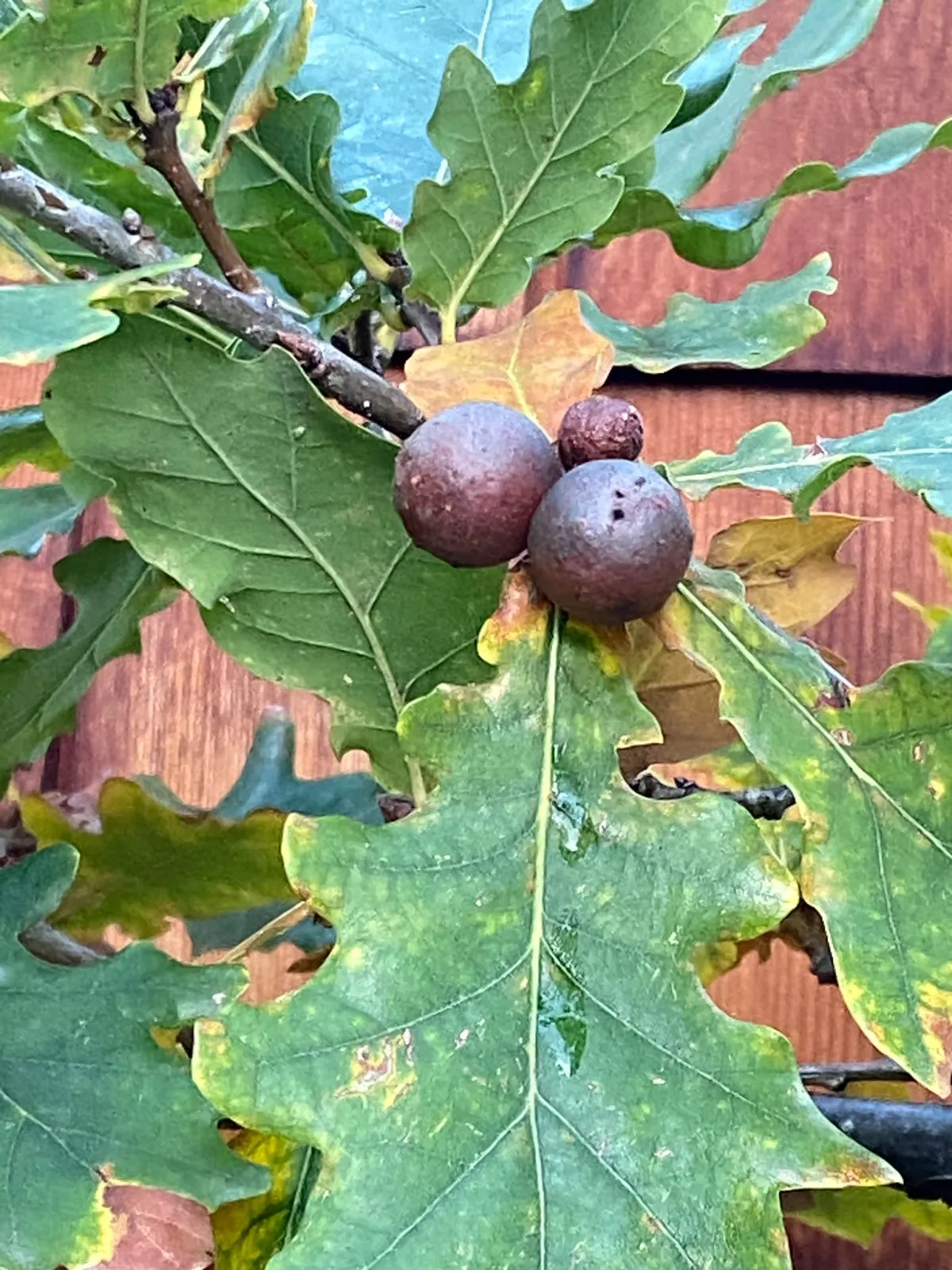
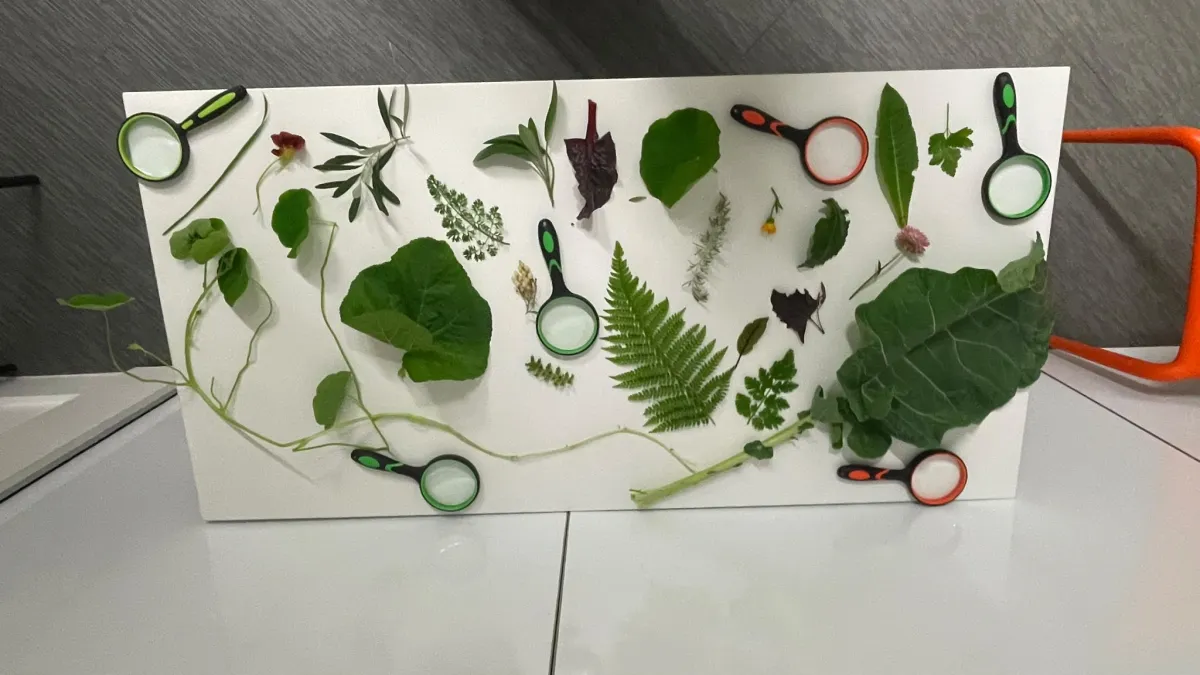
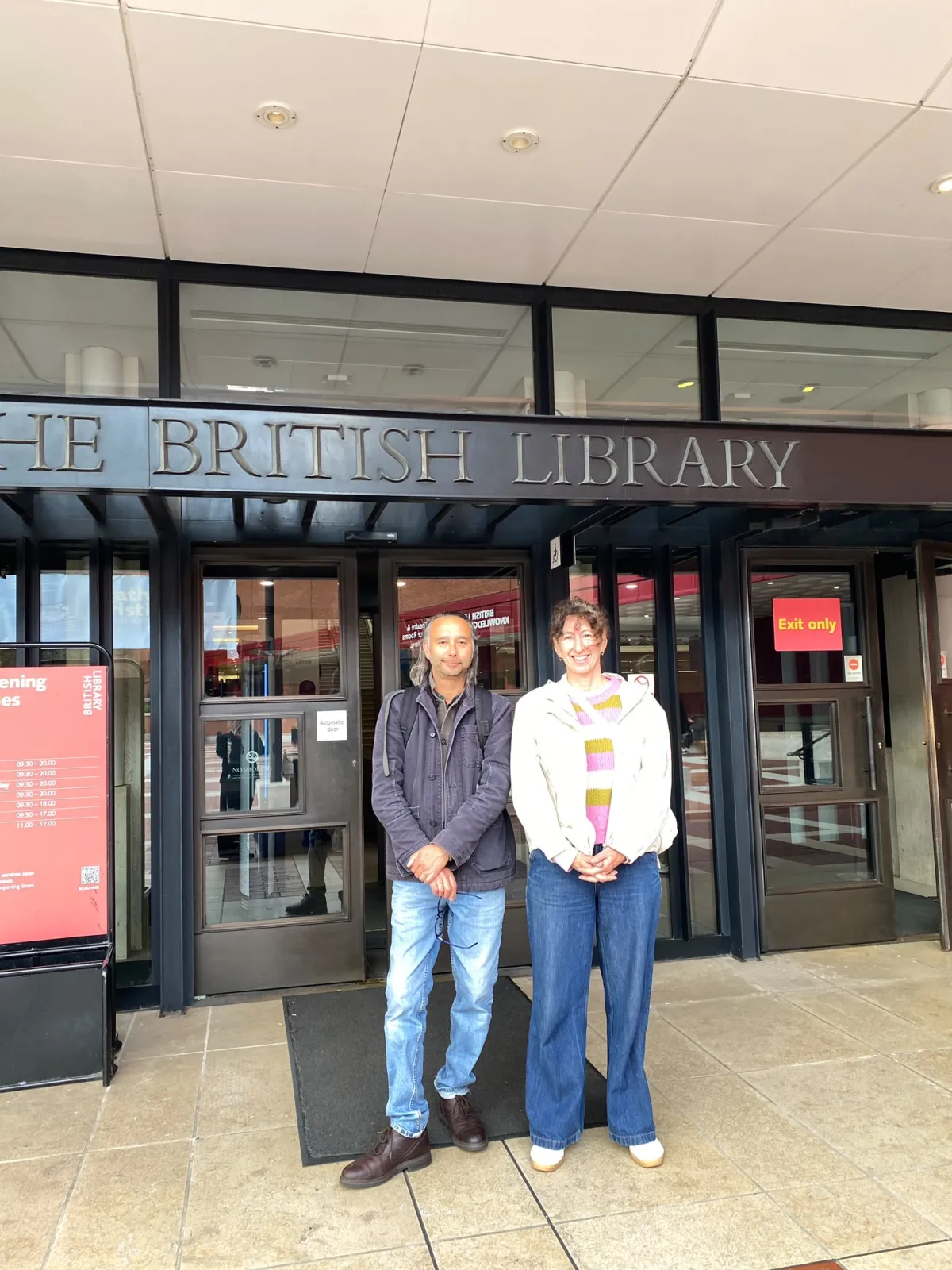
As part of the British Library’s Green Libraries Week, the education team at OmVed Gardens ran 2 outreach workshops for local primary schools exploring misinformation and disinformation through the natural world. Using themes including ecology, plants, waste and soil, we challenged common misconceptions and explored how statements can appear both true and false depending on perspective and context. The session encouraged children to question assumptions, look beyond first impressions and discover the surprising connections between people and the environment. One highlight was exploring the humble gall wasp and its remarkable influence on human culture. Oak galls have provided a key ingredient for iron gall ink, a writing medium used for centuries to preserve knowledge, stories and art. We connected this natural process to the British Library’s collection and the St Cuthbert Gospel, the oldest surviving intact European book, dating to the early eighth century.
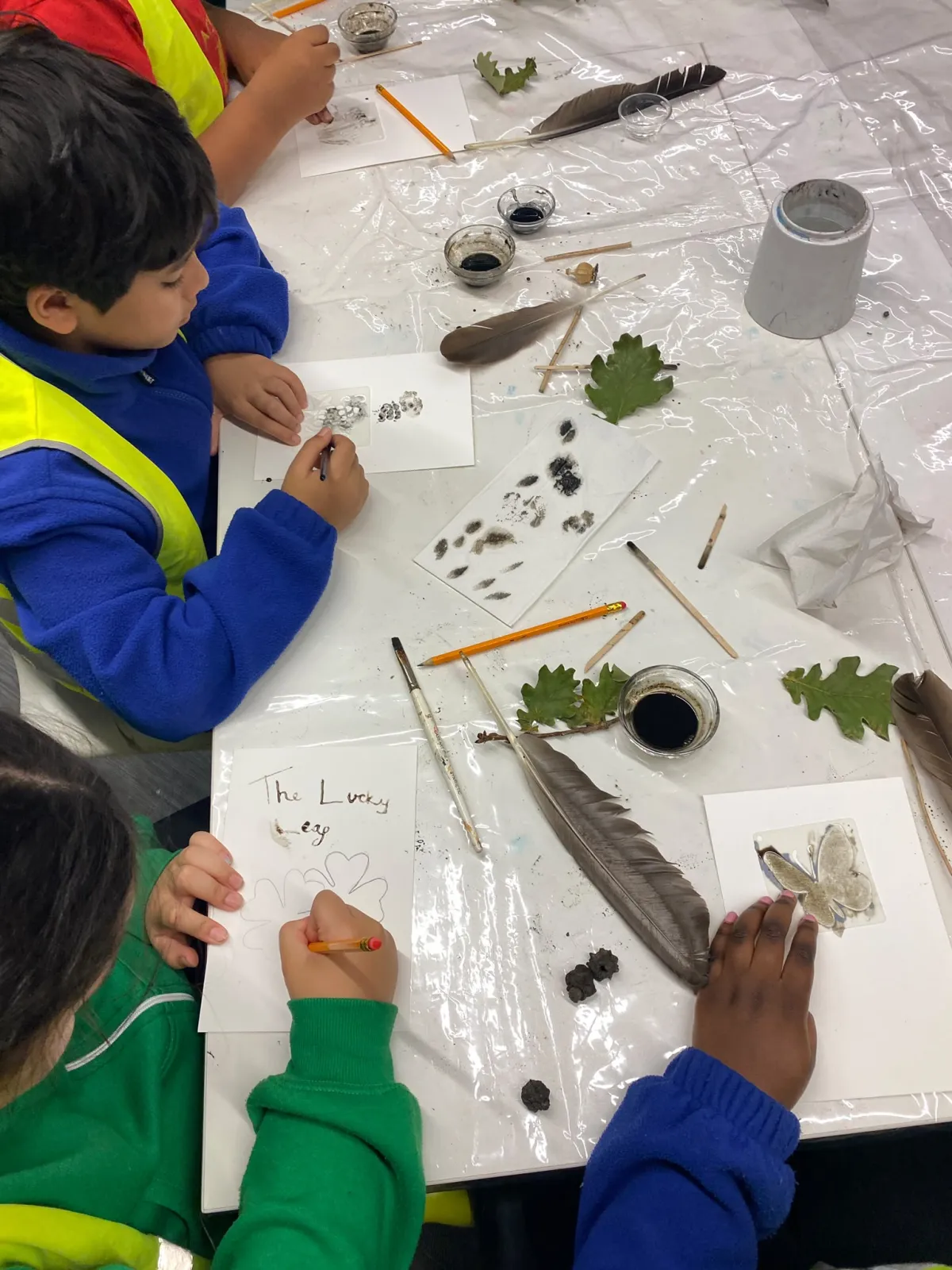
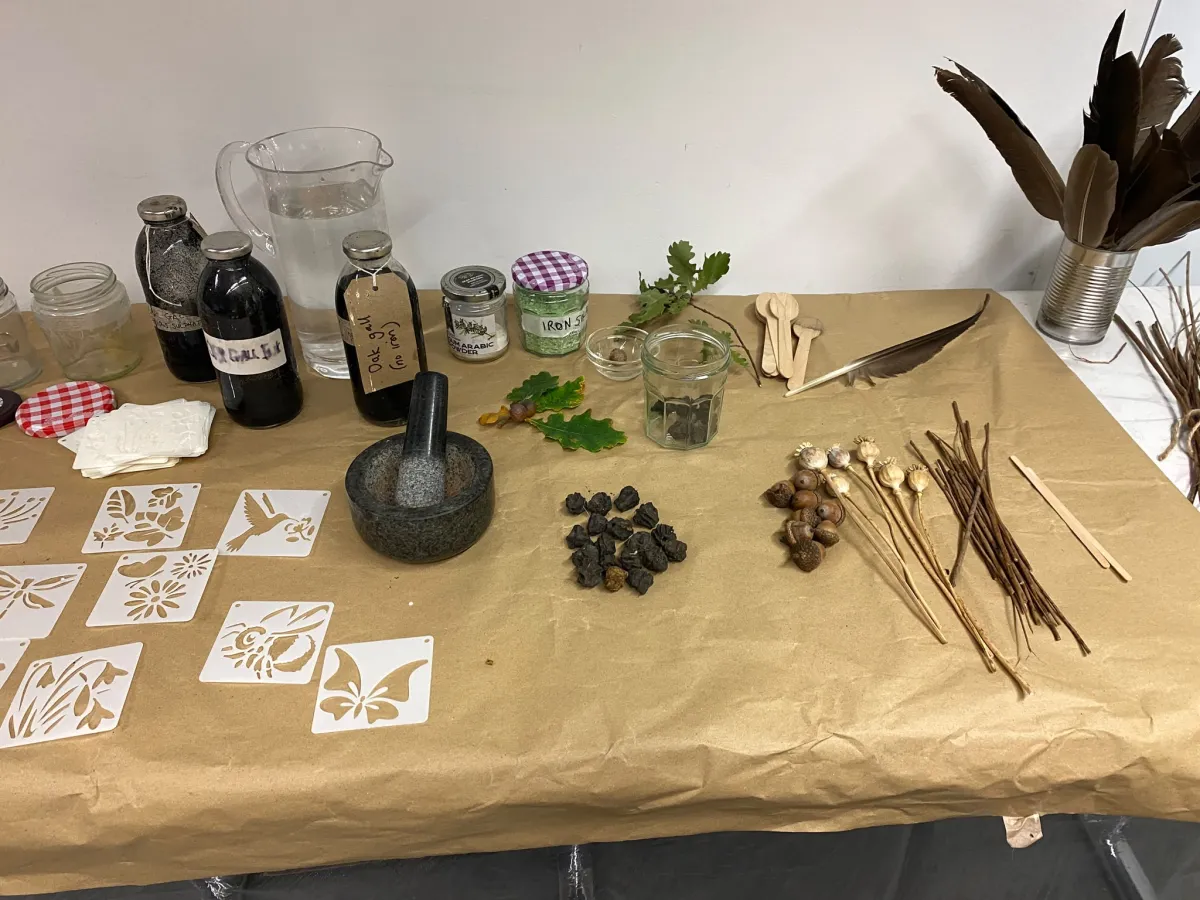
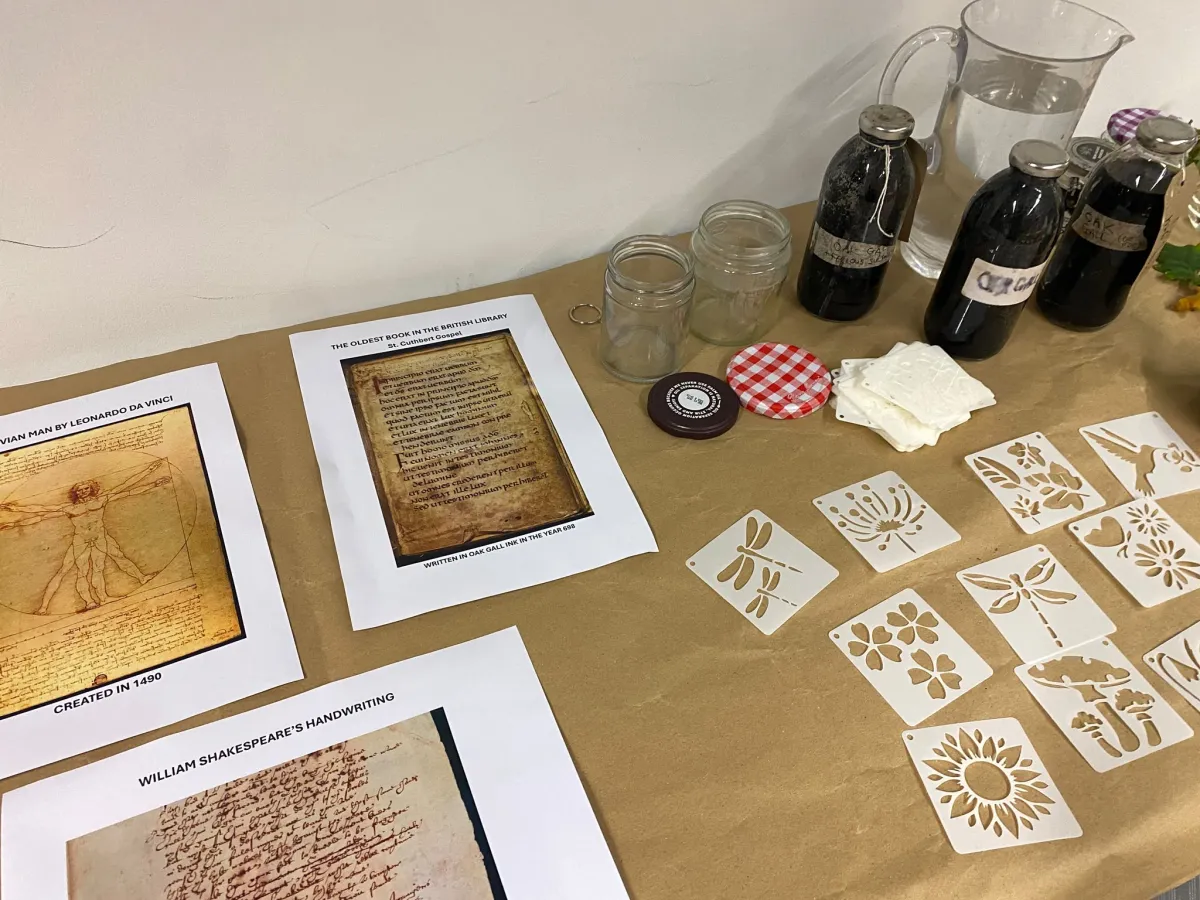
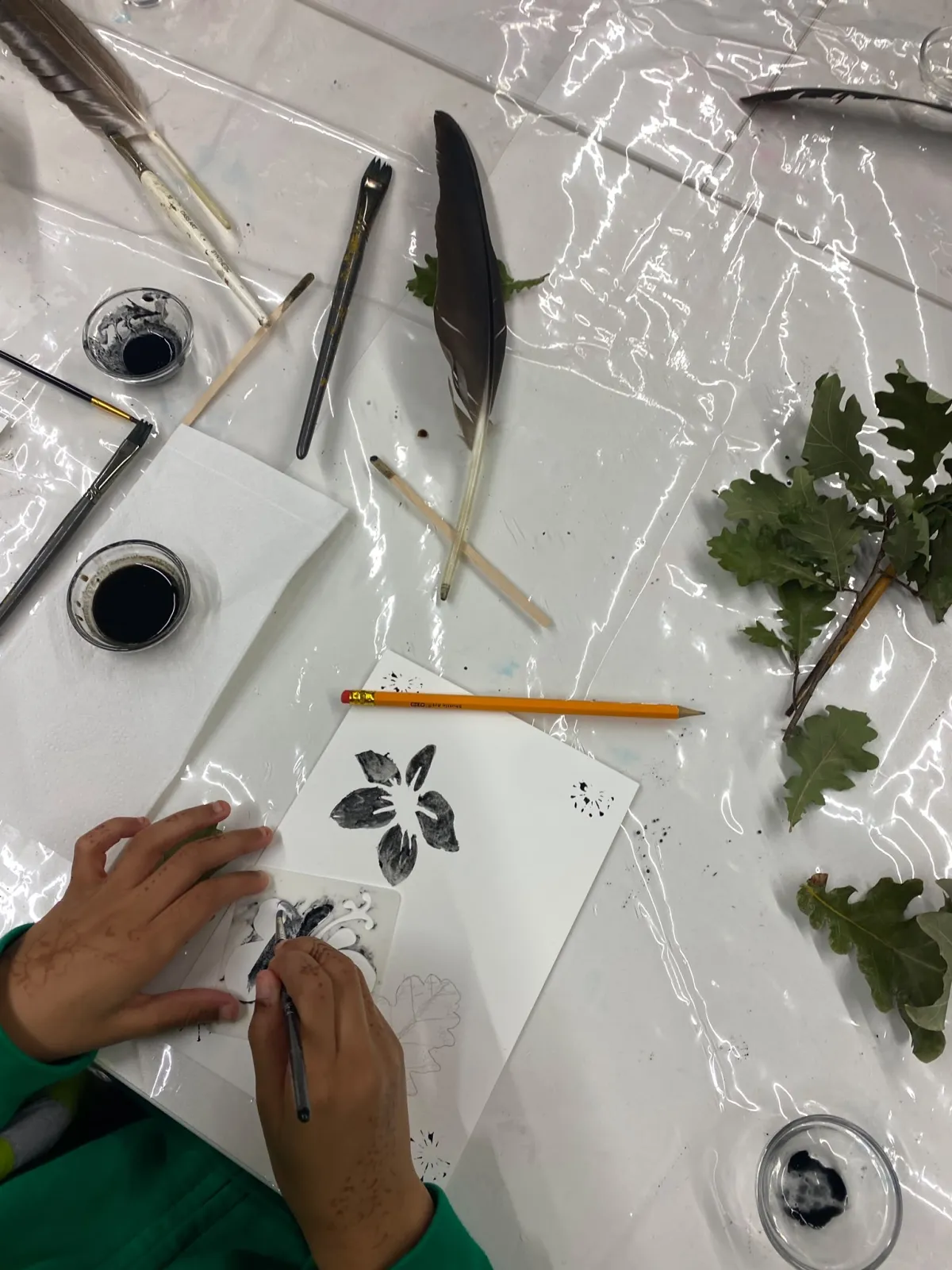
The children then got hands-on, making their own oak gall ink and painting postcards using natural materials such as feathers and poppy heads. Through experimentation and creative play, they discovered how materials from the natural world can be transformed into tools for artistic expression and communication. The workshop brought together environmental learning, history and creativity, showing how looking more closely at familiar things can challenge our understanding and reveal unexpected stories, even how a tiny wasp can help shape the history of the written word.