Kitchen Garden Guide
Garden Biodiversity
Encouraging biodiversity in your garden is essential because it creates a balanced ecosystem, attracts helpful pollinators, naturally controls pests, and ensures your plants are healthier and more resilient.
Top Tips
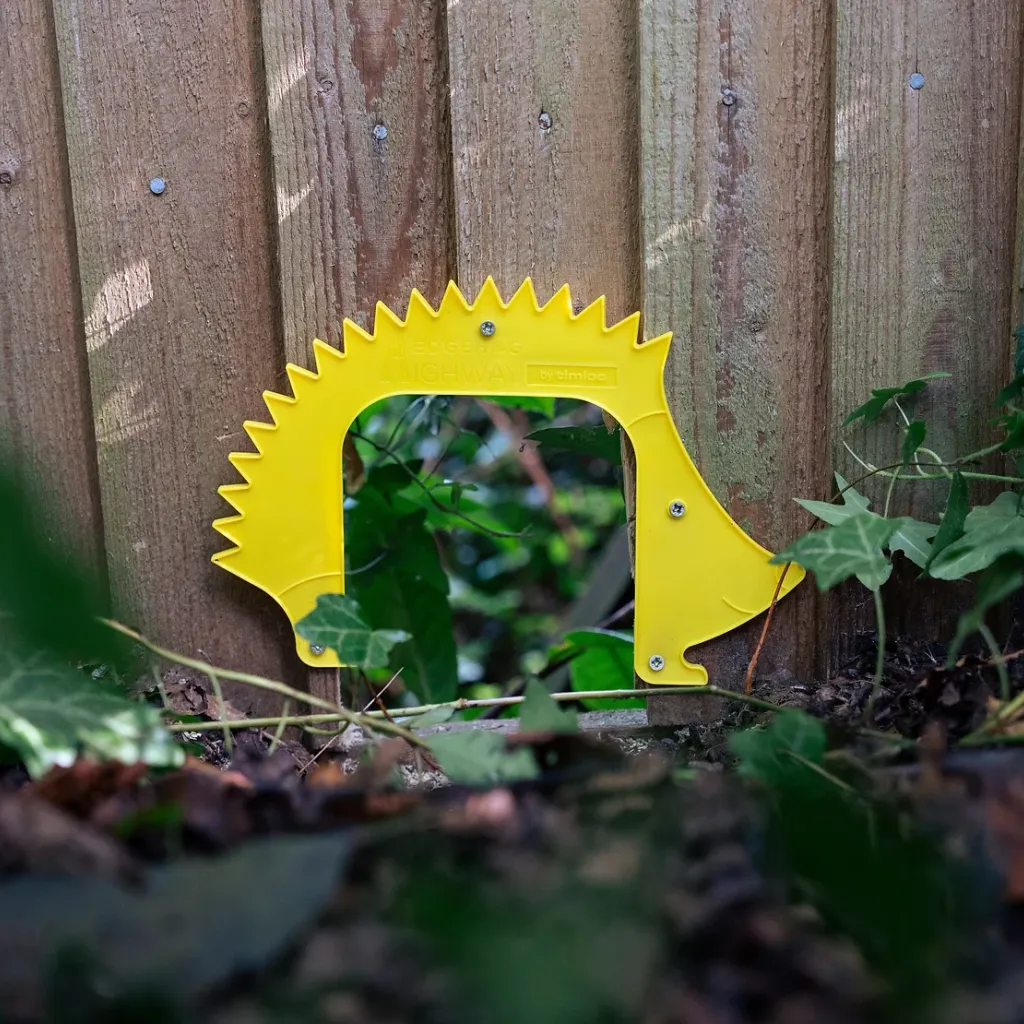
Hedgehog friendly tips
If you have a garden, you can help play a part in protecting these little critters by following a few simple steps.
Read More
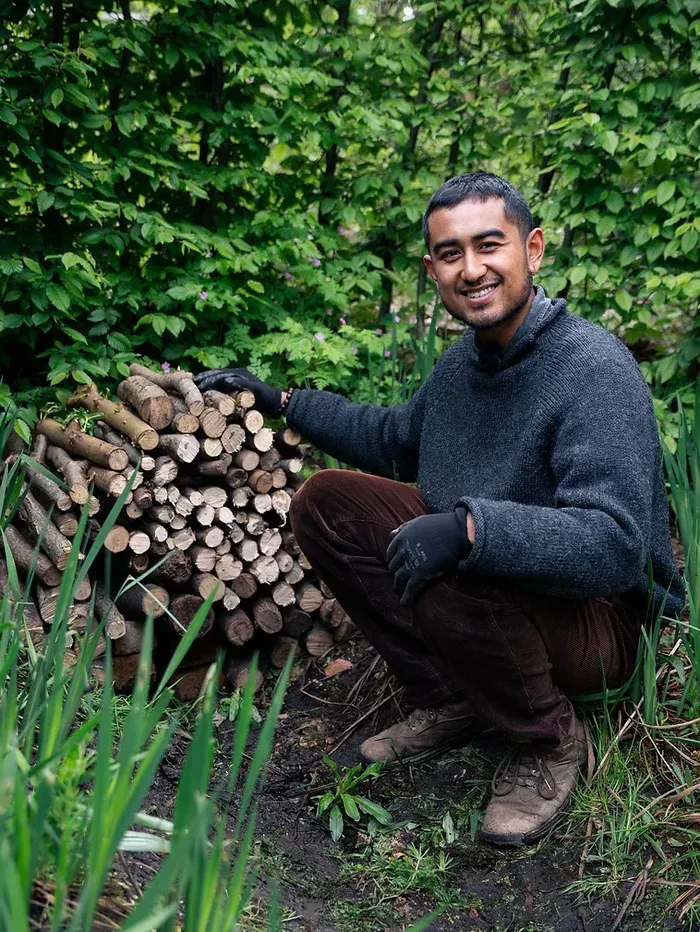
Create a log pile and hibernaculum
Building a hibernaculum can help support the wildlife in your garden by providing a warm, sheltered place where insects, reptiles and amphibians can protect themselves.
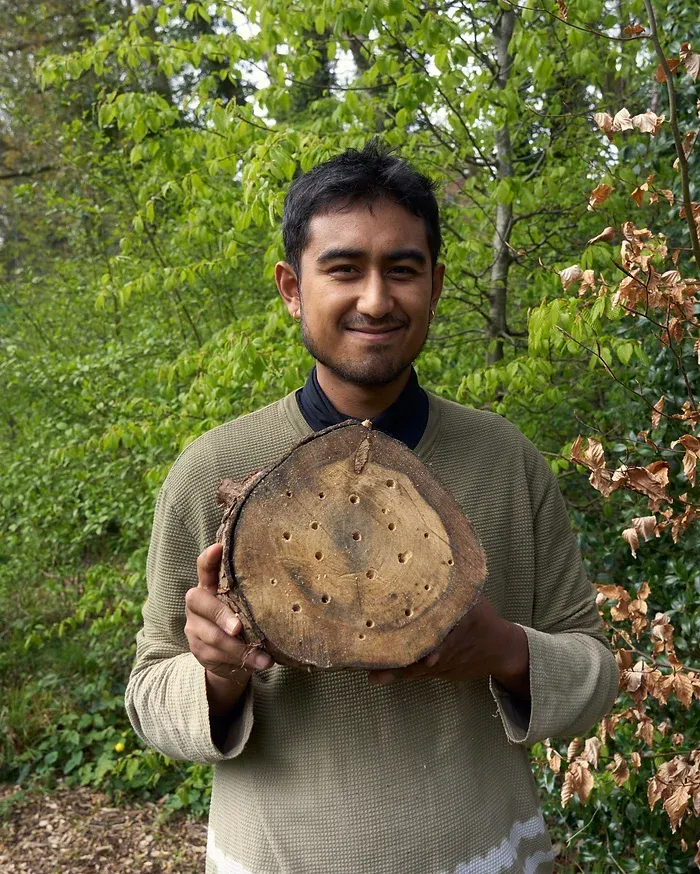
Make a Bee Hotel
OmVed Gardens Ecologist Kiran has this really simple method to give solitary bees a little help.
5 Ways to boost biodiversity in your garden
No matter the size of your garden or green space, it can be a haven for insects, birds, and other animals, and play an essential role in supporting our rich biodiversity.
Make a Bug Snug
Here’s how to make a Bug Snug to help provide shelter for insects and other garden residents over winter.
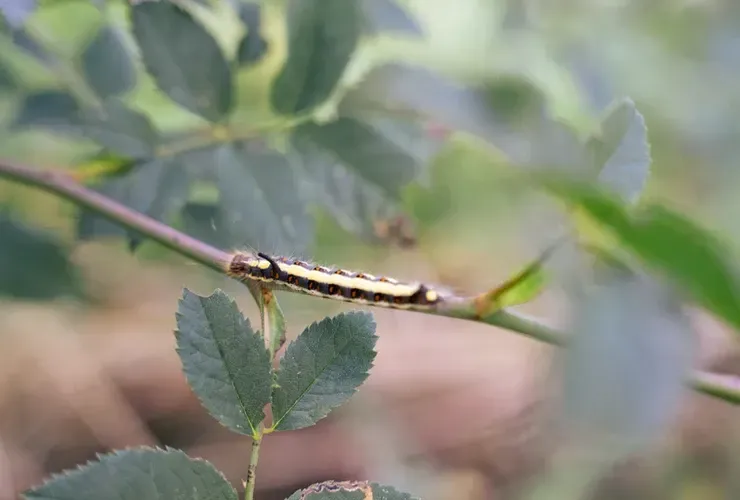
Learning how to observe and identify garden wildlife
A bioblitz is an event that focuses on finding and identifying as many species as possible in a specific area over a short period of time.
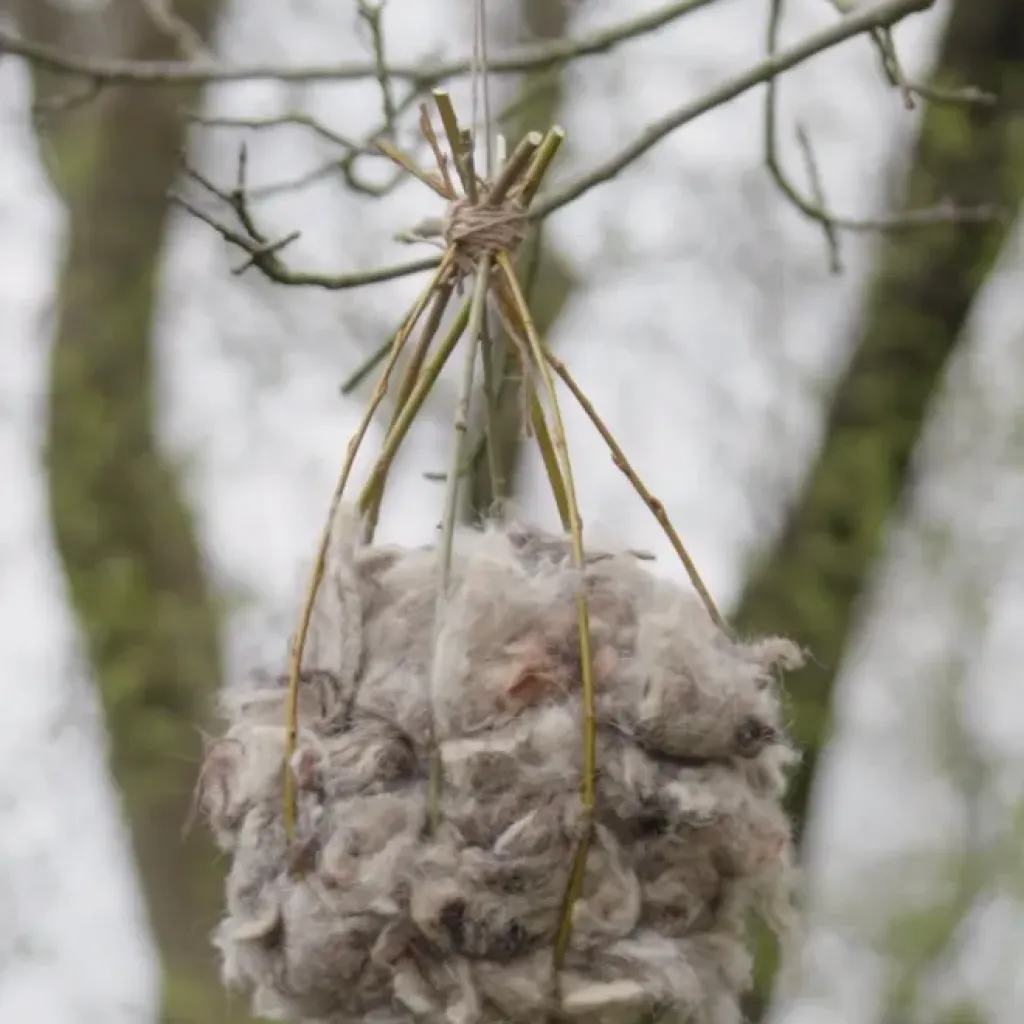
Make a nesting material pendant
Our landscape gardener John showing us how to make a nesting material pendant to give birds a boost this Spring.
Read More
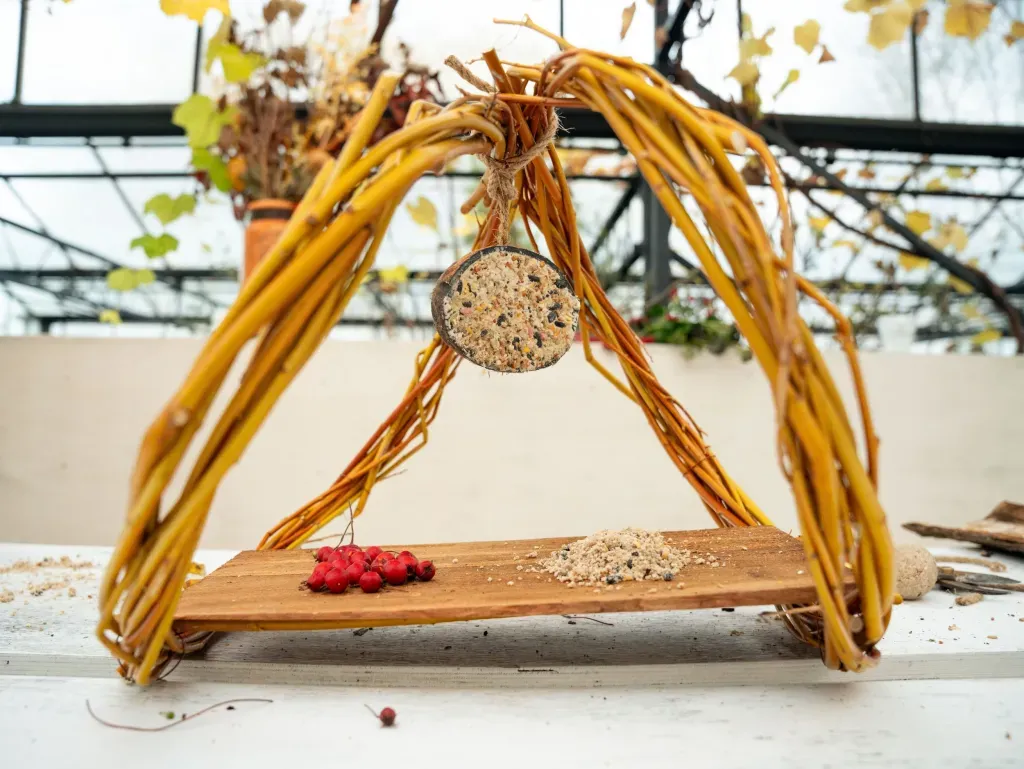
DIY Bird Feeder
Create this DIY bird feeder using garden materials to give wild birds a festive feast.
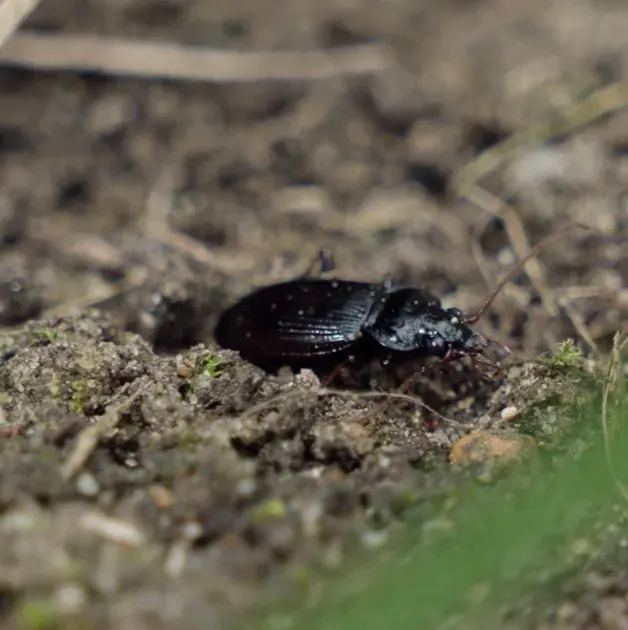
Brilliant Beetles
Beetles are the most diverse group of insects in the world. The UK alone has more than 4,000 beetle species.
Stories
Radical Roots
In this practical guide to radical kinship, everyone from urban dwellers to farmers follow the journey of rerooting and rewilding through myth-telling as we step into the sensory realms of the more-than-human world.
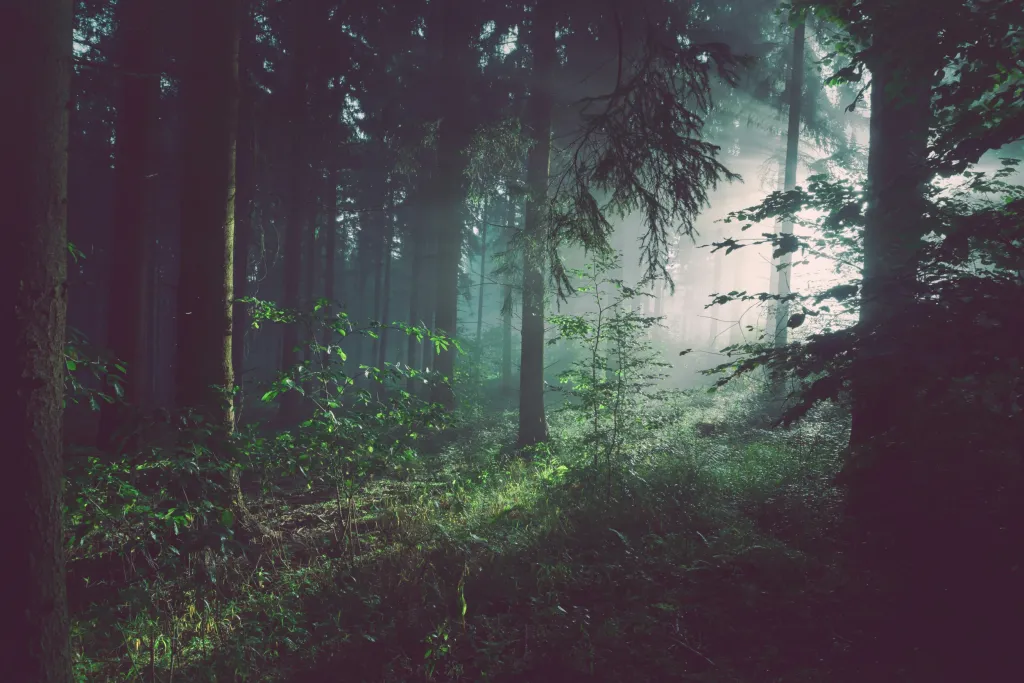
The Forest is Life
We are living through multiple, intertwined crises - from climate change and biodiversity loss to gross inequality. The cultural historian Thomas Berry believed the roots of these crises lie, ultimately, in a crisis of our imagination; in the story we tell ourselves about who we are and our place in the world. This is perhaps why, for many, it is easier to imagine the end of the world than the end of the industrial growth economy.
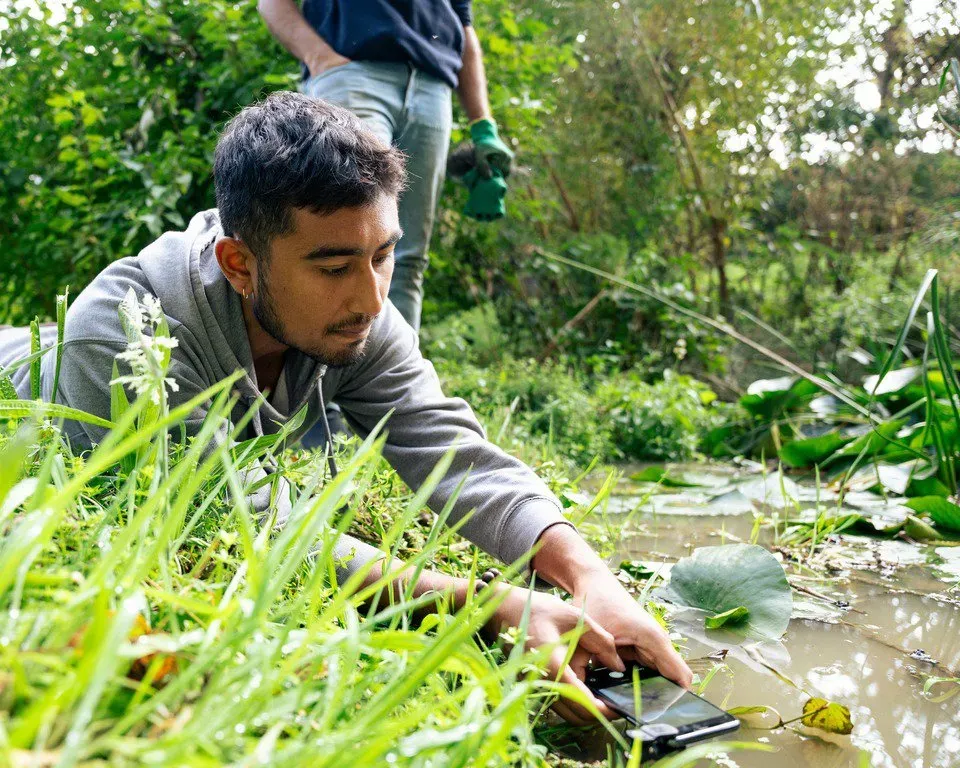
The Nature Kind - Kiran Lee
Kiran is a naturalist, conservationist and biologist-in-residence at OmVed Gardens. His current research uses genetics to investigate the implications of near-extinction in a songbird population.